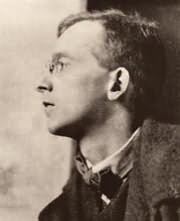
Edward Thomas, "A Private"


A Private

This ploughman dead in battle slept out of doors
Many’s a frozen night, and merrily
Answered staid drinkers, good bedmen, and all bores:
‘At Mrs Greenland’s Hawthorn Bush,’ said he,
‘I slept.’ None knew which bush. Above the town,
Beyond ‘The Drover’, a hundred spot the down
In Wiltshire. And where now at last he sleeps
More sound in France–that, too, he secret keeps.

–Edward Thomas

Posted in thomas, wwi poetry | Comments Off on Edward Thomas, "A Private"

Novelists, Inc. Guest Post – The Art of Letting Go


I’m a guest poster today at the Novelists, Inc. Blog on “The Art of Letting Go.”

Please drop by and check it out!

And a Public Service Message:

Call for Manuscripts – Journal of American Culture Special Issue:
Love and Romance in American Culture

Ideas of romantic love suffuse our lives and guide our emotional experiences and behaviors. Romance comes in various forms of romantic entertainment–books, films, music–which affect and form our socially constructed notions of love, gender and courtship. These constructs of love guide public and private behavior, create judgments of values in relationships and control rules of openness or closure in expression. There is a variety of ways that American culture has understood and practiced love and romance. This special issue of the Journal of American Culture will present a conversation about romantic love and its representations which explores love and romance as a theme in art, life and culture.

We are seeking manuscripts which discuss contemporary and historical representations of love and romance, consider ways of showing love and affection and explore socially constructed notions of love, gender and courtship. We are particularly interested in interdisciplinary approaches and analyses (literary, sociological, psychological, historical, anthropological, etc) involving any variety of topics (race, gender, class, homosexuality and queer studies, place, region, structure) which consider emotional values, attitudes and behaviors considered appropriate to love and romance

Submissions are welcome on topics which might include, but are not restricted to, issues and themes such as:

* romantic relationship events, rituals and ceremonies (weddings, holidays, festivals)
* dating and courtship rites (speed dating, personal ads)
* popular music and love songs
* depictions in the media and popular culture (e.g., film, television, literature, comics)
* romantic love in advertising, marketing, consumerism
* internet and cyberspace (blogs, texting, social networking)
* literature and fiction (genre romance, poetry, animé)
* amatory writings, love letters, courtship and self-help manuals
* types of relationships (marriage, gay and lesbian)
* feelings and emotions (intimacy, attachment, eroticism)
* types of love: platonic, philosophical, divine and spiritual romance
* neurobiology of love and biological attraction
* historical practices and traditions of and in romance
* regional and geographic pressures and influences (southern, Caribbean)
* material culture (valentines, foods, fashions)
* folklore and mythologies
* jokes and humor
* romantic love in political discourse (capitalism)
* psychological approaches toward romantic attraction
* emotional and sexual desire
* subcultures: age (seniors, adolescents), multi-ethnic, inter-racial

We suggest manuscript submissions of 4000-6000 words in length, double-spaced, in current MLA style. Send an e-mail attachment, in Microsoft Word or Rich Text Format. Due to virus and security concerns, we do not accept zipped or compressed files.

Manuscript deadline: 30 November 2011
Publication date: March 2013

Address inquiries to: JAC.Romance [at] gmail [dot] com

Maryan Wherry
Sarah S.G. Frantz
Darcy J. Martin”

Posted in guest, scholarly | Comments Off on Novelists, Inc. Guest Post – The Art of Letting Go

Writing the Senses

Have you ever done one of those writing exercises to make you think more about using all your senses in your writing?

I’ve at least tried some, but I get bored pretty quickly with exercises, so instead I steal the ideas and try to use them in my normal writing.

One thing I feel strongly is that it’s not necessary to use every sense in every bit of description. For some writers that may be a feature; they may be intending to have the reader dwell in the world they’re creating, be immersed in it, but for most purposes, I think it’s okay to only give outlines. Vivid outlines, but outlines.

My theory is that reading is a collaborative process. Every reader brings something different to the book. The writer can denote, but everything they write also connotes. Every reader will gain different connotations from the same denotations. (Here’s a great concise explantion.) A writer can connote a lot with very few words.

I like that, because I admire concise prose. I would much rather read a scene in which one sense is vivid and connotative, and emblematic of the pov character, than one in which several senses have been laboriously included just for the sake of using a lot of different senses.

Posted in writing craft | 4 Comments

The Nerd Heroine – Louisa Edwards Guest Post

Please welcome my guest, Louisa Edwards!

#

When I sat down to write Just One Taste, I had only one thought in mind: I want to write about a nerd. And not a nerdy hero, either–I wanted my heroine to be a first class, grade A+++, Wookie-loving, Magic card-carrying friend of Buffy. If you know what I mean, and I think you do.

Oh, I had justifications. I wanted to play with themes of emotional intelligence (the ability to read people and respond to their emotions) vs. book smarts, and I wanted to explore the hard science of food chemistry in relation to the more mysterious realm of culinary aphrodisiacs.

But mostly? I wanted to write a heroine who, while certainly better at chemistry than I’ll ever be, loves the same things I do. I wanted to write a woman who is smarter than everyone else in any given room, and doesn’t try to hide it. And I wanted to pair her with that most romantic creature of all–a hero who adores her exactly the way she is.

Dr. Rosemary Wilkins has a wide ranging interest in science fiction shows and books, from Battlestar Galactica to Jim Butcher’s Dresden Files. I admit it, I needed zero special research to know what an authentic nerd would enjoy! All of her references come straight out of my everyday vocabulary–and I only wish I had her awesome t-shirt collection.

So here is my list of Top Five Nerd Essentials (and I hope by now it’s obvious that I use the term “nerd” with a deep, abiding affection and pride):

1. Star Wars–the original episodes 4, 5, 6. Accept no substitutes! These were the first sci-fi movies I ever saw (my mother actually recorded the historic moment of my exposure to The Empire Strikes Back in my baby book), and they left an indelible mark on my young psyche.

2. Buffy the Vampire Slayer—-the TV show. I had never before been so obsessed with anything as I was with that series. The dialogue, the wit, the–omg, characters! I mean, Spike, alone. . .I think I’ve watched the entire series, all seven seasons, straight through at least 10 times. Even writing this blog post is making me want to watch it again. Don’t judge me. And while we’re on Joss Whedon–Firefly. Nathan Fillion in tight pants. ‘Nuff said.

3. The Lord of the Rings–books and movies. My mother read The Hobbit out loud to me when I was about 8, and I couldn’t wait to read the rest of the books. No world has ever captured my imagination as completely.

4. Terminator–the first one. Okay, I like them all, but the first one remains one of the best romances on film. I’m serious! Sarah Connor and Kyle Reese are a couple for the ages.

5. Battlestar Galactica–the new TV series. Talk about obsessed! It’s utterly engrossing, fabulously complex, the characters are crazy flawed and fascinating, and I have the biggest girl crush ever on Starbuck.

So that’s my list! Who’s on your list? Comment for a chance to win a signed copy of Just One Taste and some signature Recipe for Love swag.

#

Thanks, Louisa! Ummm…so, who would win if Spike and Darth Vader and a Terminator and Gandalf all had a fight? Me, I think Wolverine would show up and beat them all. Because of his healing ability and general meanness, you see.

Posted in guest, writing process | 13 Comments

How To Rest Your Writer Brain

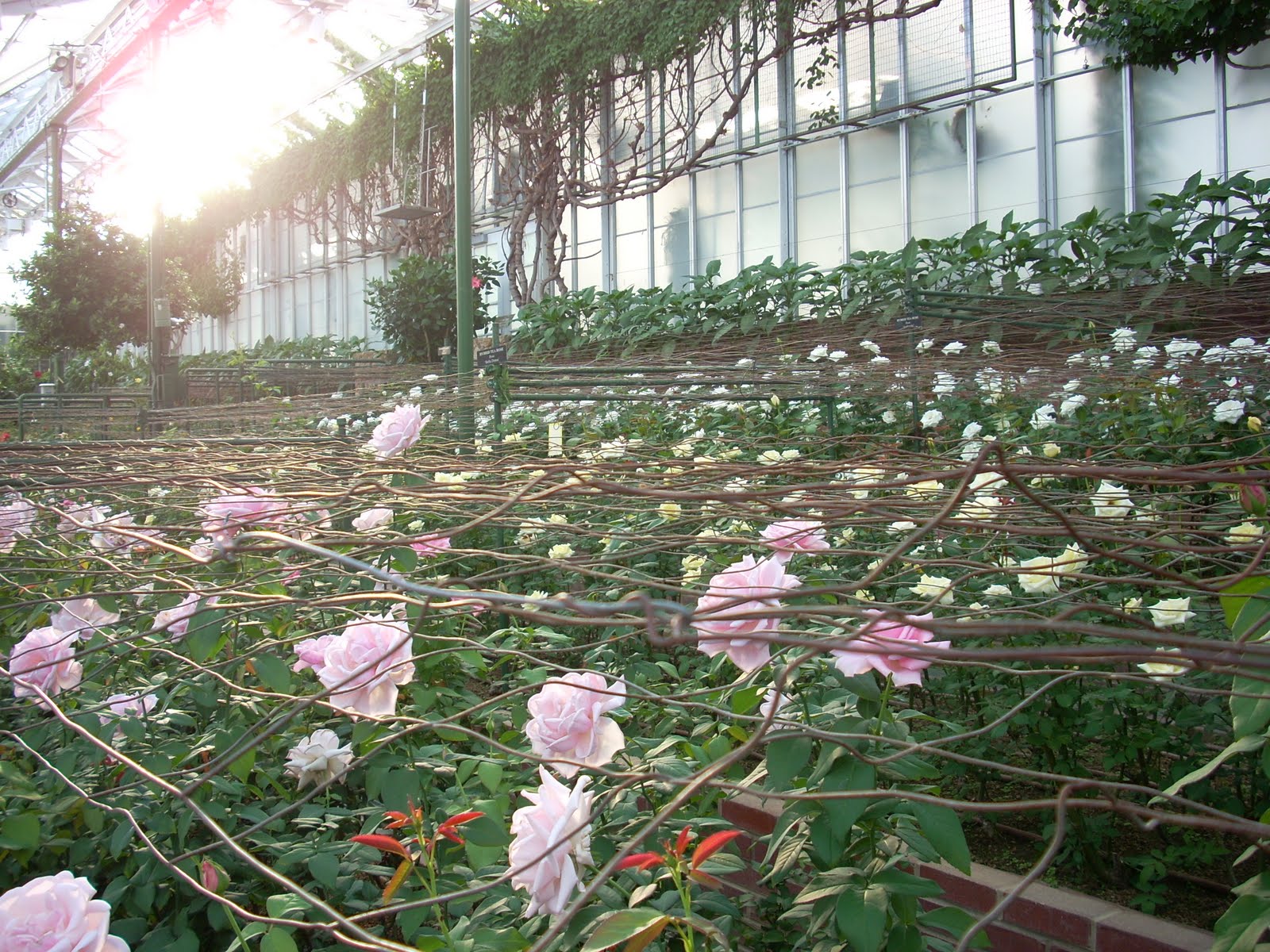
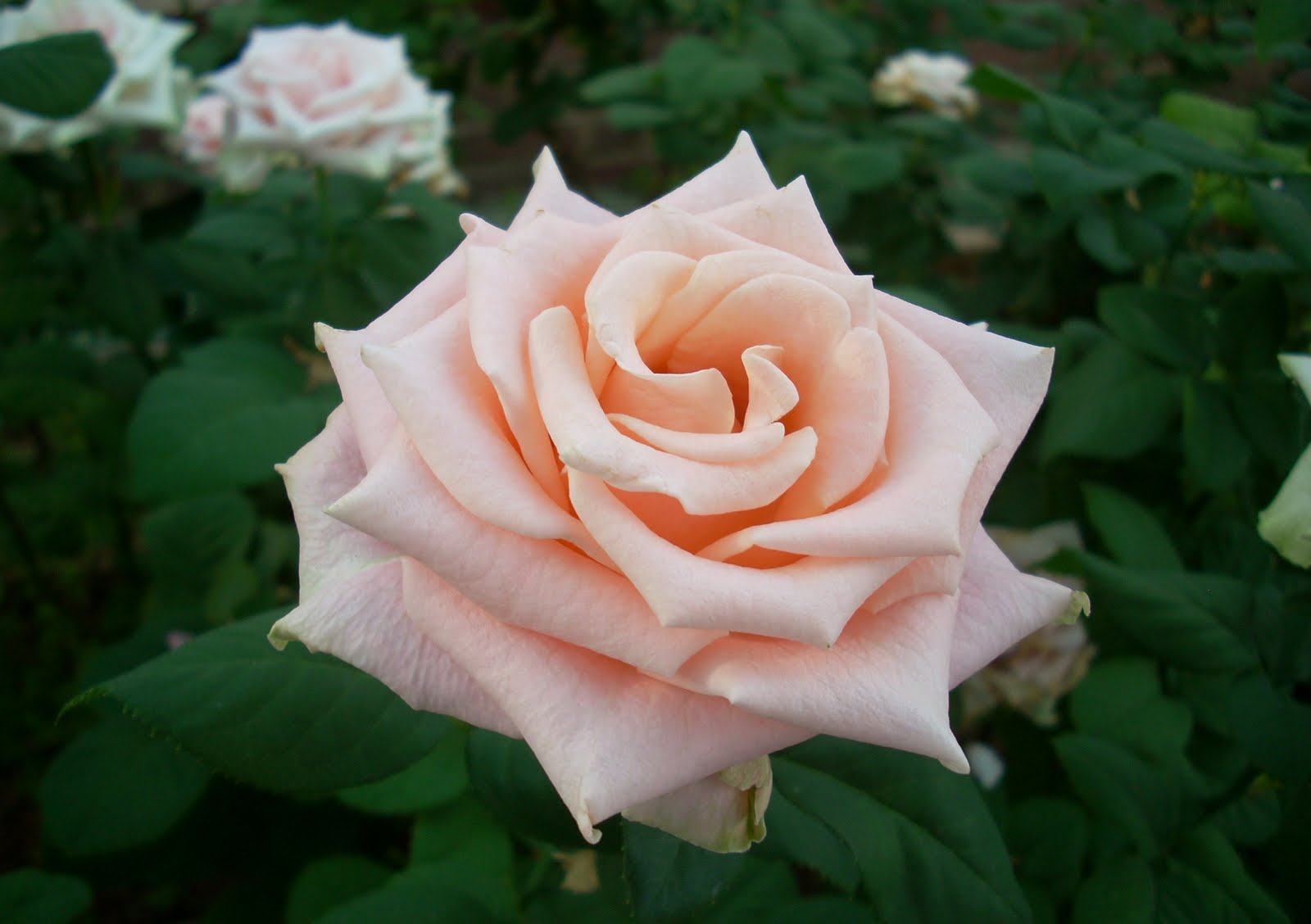
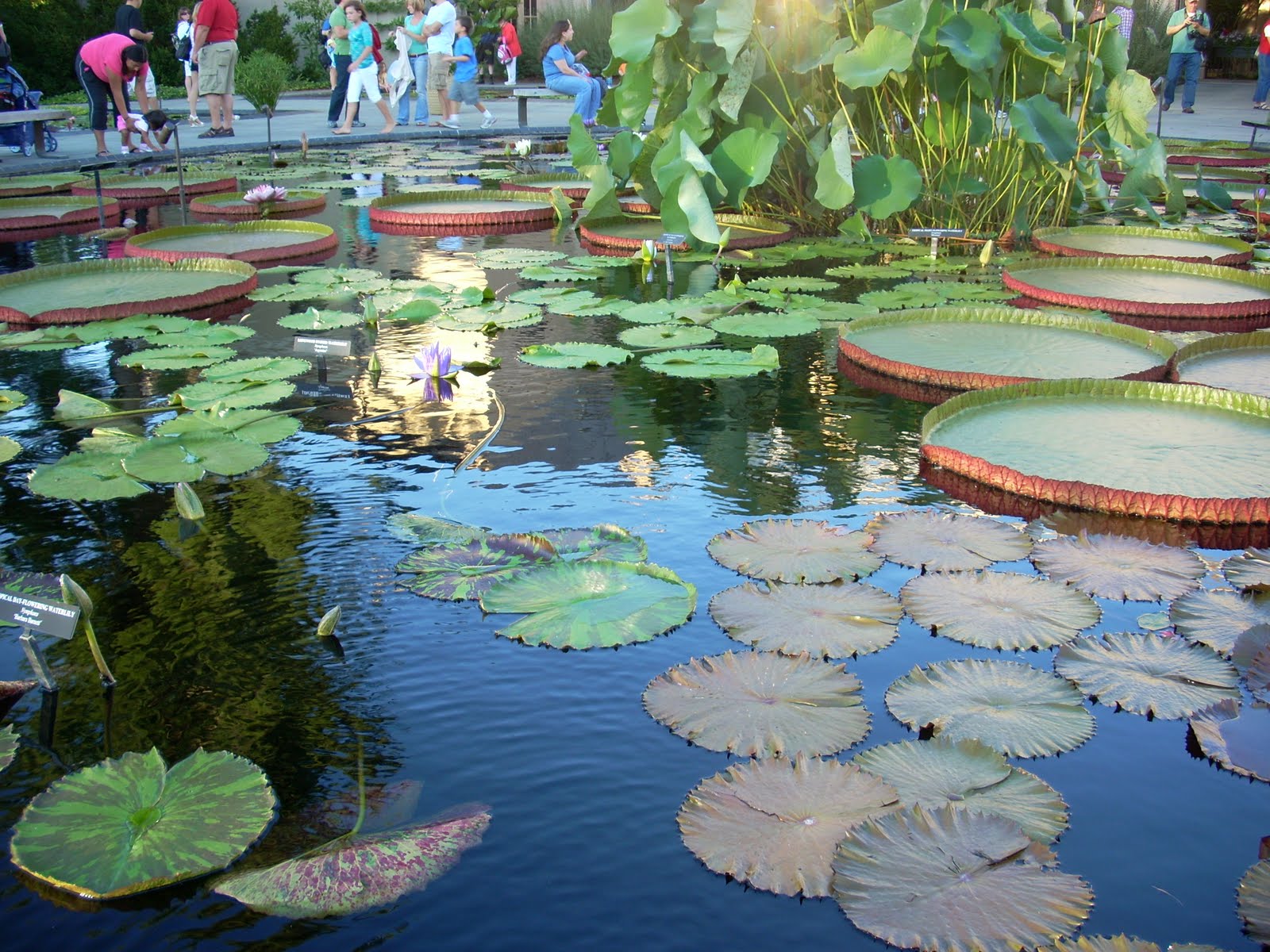
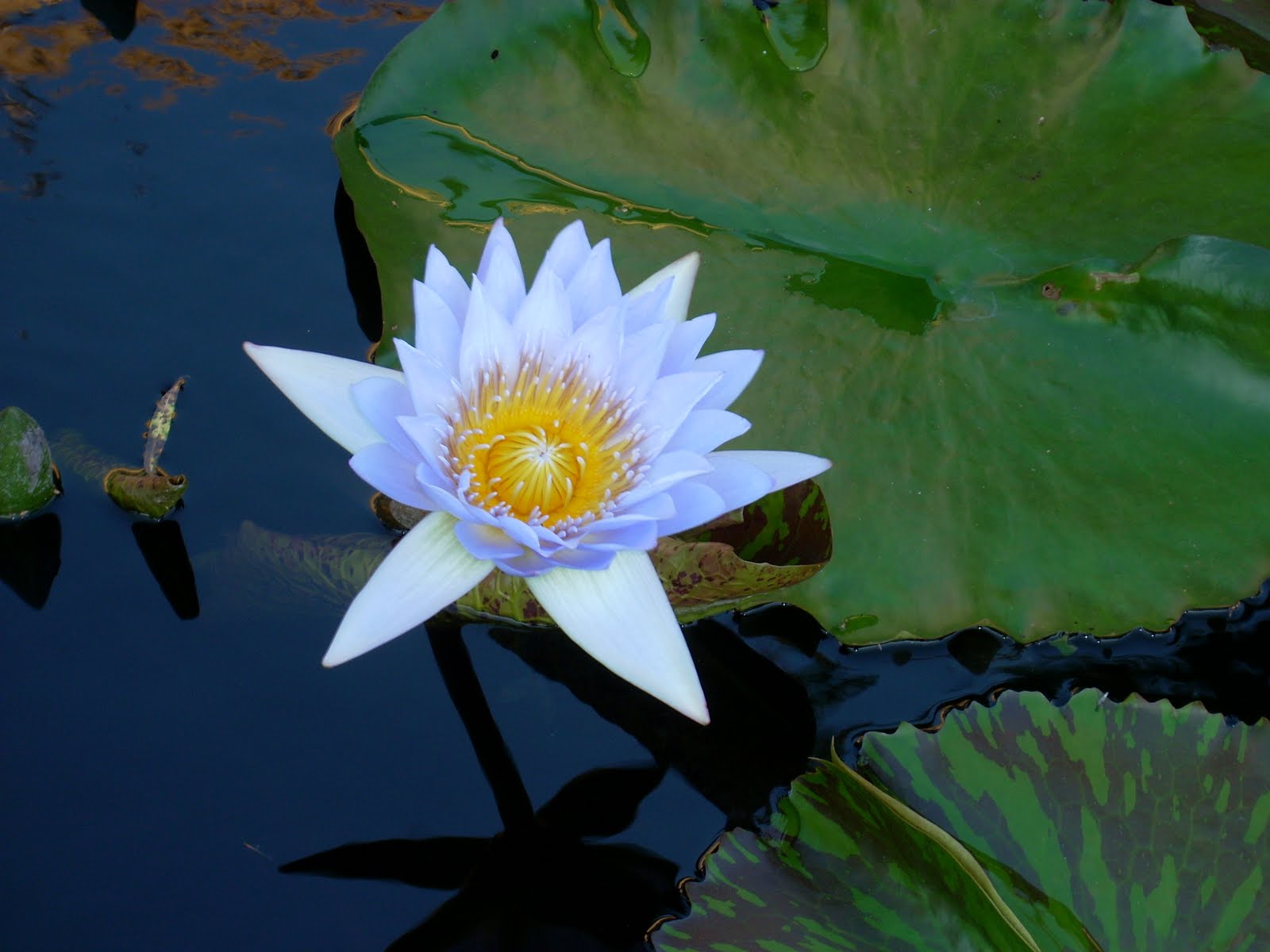
After I learned the novel I’d been working on had been cancelled, I went with friends to Longwood Gardens and spent a gorgeous, idyllic afternoon and evening there.


Posted in images | 2 Comments

Steampunk Themes

What are some common themes of steampunk fiction? (If you have suggestions, please comment!)

I’m thinking along these lines:

Punk, to me, at base means rebellion against an establishment.

Because steampunk is influenced by the culture of Victorian England, I also feel there needs to be some kind of commentary on colonialism and empires, and on class divides. Looking at these issues through a “real world” lens is an important part of this.

Technology versus nature also ought to be in there, though on the whole I feel technology in steampunk is usually favorable so long as it’s wielded by the good guys. Tech might be temporarily bad, but I don’t think I’ve ever seen anything steampunk in which technology ended up being abolished. If it causes bad effects, they’re usually outweighed by the good.

Thoughts? Comments?

Here’s an interesting related post at the Age of Steam blog: The Darker Side of Steampunk.

Posted in steampunk, writing process | Comments Off on Steampunk Themes

Wilfrid Wilson Gibson, "The Joke"


The Joke

He’d even have his joke
While we were sitting tight,
And so he needs must poke
His silly head in sight
To whisper some new jest
Chortling. But as he spoke
A rifle cracked–
And now God knows when I shall hear the rest!

–Wilfrid Wilson Gibson

Posted in gibson, wwi poetry | Tagged | Comments Off on Wilfrid Wilson Gibson, "The Joke"

Edward Thomas, "Gone, Gone Again"

Gone, Gone Again

Gone, gone again,
May, June, July,
And August gone,
Again gone by,

Not memorable
Save that I saw them go,
As past the empty quays
The rivers flow.

And now again,
In the harvest rain,
The Blenheim oranges
Fall grubby from the trees

As when I was young
And when the lost one was here
And when the war began
To turn young men to dung.

Look at the old house,
Outmoded, dignified,
Dark and untenanted,
With grass growing instead

Of the footsteps of life,
The friendliness, the strife;
In its beds have lain
Youth. love, age, and pain:

I am something like that;
Only I am not dead,
Still breathing and interested
In the house that is not dark:–

I am something like that:
Not one pane to reflect the sun,
For the schoolboys to throw at–
They have broken every one.

–Edward Thomas

Posted in thomas, wwi poetry | Comments Off on Edward Thomas, "Gone, Gone Again"

Be vewy quiet; I’m adding geeky detail!

There are various schools of thought about adding historical detail to fiction. Sometimes you want more detail, sometimes less; partly, that depends on the book’s genre. For example, in a Tom Clancy novel such as The Hunt for Red October, there is a lot–a lot–of detail about nuclear submarines. But if you’re reading that book, it’s likely that one of the reasons is because of all that lovely, crunchy technical detail.

Historical novels need historical detail. But how about historical erotica? How much historical detail does there need to be?

drumroll

There should be as much historical detail as I want. And the geekier, the better.

If the details I choose to include are not what the reader expects, that’s all to the good. Those details will stick better for being unusual. (cf. the picture of a horse wearing a gas mask.) And because they stick in the reader’s mind, they’re more useful for building up a picture of the time period, and also a picture that feels deeper and richer than whatever generalized ideas the reader might have had. (What does World War One mean to you? Trenches? There was fighting in the mountains of Italy, as well. And in Africa.) I feel anything that brings the reader more completely into the story is a good thing.

The more geeky the detail, the more that detail feels specific. Specificity is important; the more specific, the more vivid and immediate the image becomes in the reader’s mind. You can say, there were birds. Or you can say, she remembered the poignant cries of bitterns and the song of reed-warblers, and the occasional slow dignified silent soaring of a heron towards the far horizon.

The more specific the detail, the less often you have to use detail, and the more subtly you can use it.

Related Posts:

Historical Detail in Fiction.

Research: When to Stop.

Posted in erotica, historical fiction, research, wwi | 4 Comments

Steampunk Research Books

I’ve begun basic research on the history of the American West for a western steampunk novel. My book isn’t going to be a historical, but I want it to be informed by history and in dialogue with history.

I chose Frontiers: A Short History of the American West as my basic overview book.

The Encyclopedia of North American Indians: Native American History, Culture, and Life From Paleo-Indians to the Present was recommended by Debbie Reese at her blog, American Indians in Children’s Literature.

Peoples of Color in the American West is a textbook and has a lot of material that’s more modern than I need, but I think it will be a good guide to further resources.

I chose The Comanche Empire partly just because I wanted to read it!

Check out its awesome reviews. “In the eighteenth and early nineteenth centuries, at the high tide of imperial struggles in North America, an indigenous empire rose to dominate the fiercely contested lands of the American Southwest, the southern Great Plains, and northern Mexico. This powerful empire, built by the Comanche Indians, eclipsed its various European rivals in military prowess, political prestige, economic power, commercial reach, and cultural influence. Yet, until now, the Comanche empire has gone unrecognized in historical accounts.” So far, this book is just as incredibly cool as it sounds.

If you’ve got any more book suggestions for me, please comment!

Posted in research, steampunk, western | Comments Off on Steampunk Research Books